Buy requiems.eu ?
We are moving the project
requiems.eu .
Are you interested in purchasing the domain
requiems.eu ?
domain@kv-gmbh.de · 0541-91531010
Buy requiems.eu ?
Why are demonstrative pronouns called demonstrative pronouns?
Demonstrative pronouns are called demonstrative because they demonstrate or point to a specific noun or pronoun in a sentence. They help to indicate the position or location of the noun or pronoun in relation to the speaker or listener. By using demonstrative pronouns such as "this," "that," "these," and "those," speakers can make their communication more precise and clear by specifying which person, place, thing, or idea they are referring to. **
What is the difference between demonstrative pronouns and demonstrative determiners in French?
In French, demonstrative pronouns (ce, cette, ces) stand alone to replace a noun, while demonstrative determiners (ce/cet, cette, ces) are used with a noun to indicate which specific thing or person is being referred to. For example, "Ce livre est intéressant" uses the demonstrative determiner "ce" with the noun "livre," while "Celui-ci est intéressant" uses the demonstrative pronoun "celui-ci" to replace the noun "livre." Demonstrative determiners are used before a noun, while demonstrative pronouns are used in place of a noun. **


Similar search terms for Demonstrative
Top-Angebote
Products related to Demonstrative:
-
From You Flowers Deepest Condolences Sympathy Funeral BouquetClassic white roses and lilies converge with breathtaking iris in this one-of-a-kind creation. The gesture of sending this comforting bouquet is so simple, yet it can have such a great impact on a grieving loved one during this trying time. Don't...39,99 $*Shipping: 14,99 $Secure redirect to the provider
-
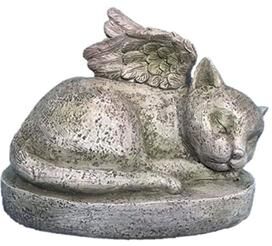
Santas Workshop Inc "7.5"" Remembrance Kitty"Pay tribute to the special bond shared between you and your favorite feline with this wonderful kitty angel statue. Built to last from weather resistant resin, this beautiful remembrance kitty will provide many seasons of enjoyment.31,59 $*Shipping: 0,00 $Secure redirect to the provider
-
The Library of Fragrance Funeral Home EDC U 30 mlThe Library of Fragrance Funeral Home, 30 ml, Eaux de Cologne unisex, For everyone, no matter who you are. The Library of Fragrance Funeral Home unisex Eau de Cologne is fantastic for both women and men, so don’t be afraid to share it with your partner. floral fragrance woody fragrance unique fragrance for a unique personality17,43 £*Shipping: 3,99 £Secure redirect to the provider
-
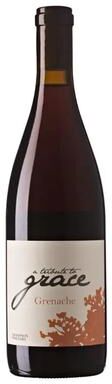
"""A Tribute to Grace""" """A Tribute to Grace Thompson Vineyard Grenache 2022 Red Wine - California""""""The 2022 Grenache Thompson Vineyard emerges from own-rooted vines planted in the late 1990s and early 2000s. It offers up an exotic mélange of dark red fruit, spice, new leather, pomegranate and blood orange. Complex and dynamic, the 2022 has a ton..."61,99 $*Shipping: 0,00 $Secure redirect to the provider


-
How do I use demonstrative pronouns correctly?
Demonstrative pronouns, such as "this," "that," "these," and "those," are used to point out specific people, places, or things. Use "this" and "these" to refer to something that is nearby or close in time, and use "that" and "those" to refer to something that is farther away or in the past. For example, you can say "This is my book" when referring to a book that is nearby, and "That was a great movie" when referring to a movie that you saw in the past. Make sure to match the demonstrative pronoun with the singular or plural noun it is replacing, and use the appropriate form (this/that or these/those) based on the distance or time. **
-
What are demonstrative pronouns and relative pronouns?
Demonstrative pronouns are pronouns that are used to point to specific things or people. Examples of demonstrative pronouns include "this," "that," "these," and "those." Relative pronouns are pronouns that introduce dependent clauses and connect them to independent clauses. Examples of relative pronouns include "who," "whom," "whose," "which," and "that." **
-
Does French have the demonstrative determiner "cettes"?
No, French does not have the demonstrative determiner "cettes." The correct forms of the demonstrative determiner in French are "cette" for singular feminine nouns, "ce" for singular masculine nouns, and "ces" for plural nouns regardless of gender. "Cettes" is not a standard form in the French language. **
-
What is the demonstrative pronoun in French?
The demonstrative pronouns in French are "ce," "cette," "ces," and "cet" for singular and plural forms. These pronouns are used to point out or demonstrate specific people, places, or things. They agree in gender and number with the noun they refer to, and their usage depends on the proximity of the object being referred to. **


How does demonstrative silence manifest itself in lovers?
Demonstrative silence in lovers can manifest itself in various ways. It may occur during moments of deep emotional connection, where words are not needed to express their feelings for each other. It can also be a form of understanding and support, where one partner chooses to remain silent to give the other space to process their thoughts or emotions. In some cases, demonstrative silence can be a way for lovers to communicate without words, using nonverbal cues and gestures to convey their love and affection. **
Is it a demonstrative or personal pronoun in Latin?
In Latin, "hic" is a demonstrative pronoun. Demonstrative pronouns in Latin are used to point out specific things or people, while personal pronouns are used to refer to individuals or groups. "Hic" specifically means "this" or "these" and is used to indicate something close to the speaker. **
Top-Angebote
Products related to Demonstrative:
-
Inspire Curations Angel Cat Memorial Statue Resin Pet Remembrance Home Decor Angel Cat Memorial Statue Resin Pet Remembrance Home DecorHonor a love that never fades. This beautifully crafted angel cat memorial statue captures the quiet grace and unconditional bond shared with a beloved pet. Designed with delicate wings and a serene expression, this resin cat angel figurine offers...58,95 $*Shipping: 0,00 $Secure redirect to the provider
-
From You Flowers Deepest Condolences Sympathy Funeral BouquetClassic white roses and lilies converge with breathtaking iris in this one-of-a-kind creation. The gesture of sending this comforting bouquet is so simple, yet it can have such a great impact on a grieving loved one during this trying time. Don't...39,99 $*Shipping: 14,99 $Secure redirect to the provider
-
Santas Workshop Inc "7.5"" Remembrance Kitty"Pay tribute to the special bond shared between you and your favorite feline with this wonderful kitty angel statue. Built to last from weather resistant resin, this beautiful remembrance kitty will provide many seasons of enjoyment.31,59 $*Shipping: 0,00 $Secure redirect to the provider
-
Why are demonstrative pronouns called demonstrative pronouns?
Demonstrative pronouns are called demonstrative because they demonstrate or point to a specific noun or pronoun in a sentence. They help to indicate the position or location of the noun or pronoun in relation to the speaker or listener. By using demonstrative pronouns such as "this," "that," "these," and "those," speakers can make their communication more precise and clear by specifying which person, place, thing, or idea they are referring to. **
-
What is the difference between demonstrative pronouns and demonstrative determiners in French?
In French, demonstrative pronouns (ce, cette, ces) stand alone to replace a noun, while demonstrative determiners (ce/cet, cette, ces) are used with a noun to indicate which specific thing or person is being referred to. For example, "Ce livre est intéressant" uses the demonstrative determiner "ce" with the noun "livre," while "Celui-ci est intéressant" uses the demonstrative pronoun "celui-ci" to replace the noun "livre." Demonstrative determiners are used before a noun, while demonstrative pronouns are used in place of a noun. **
-
How do I use demonstrative pronouns correctly?
Demonstrative pronouns, such as "this," "that," "these," and "those," are used to point out specific people, places, or things. Use "this" and "these" to refer to something that is nearby or close in time, and use "that" and "those" to refer to something that is farther away or in the past. For example, you can say "This is my book" when referring to a book that is nearby, and "That was a great movie" when referring to a movie that you saw in the past. Make sure to match the demonstrative pronoun with the singular or plural noun it is replacing, and use the appropriate form (this/that or these/those) based on the distance or time. **
-
What are demonstrative pronouns and relative pronouns?
Demonstrative pronouns are pronouns that are used to point to specific things or people. Examples of demonstrative pronouns include "this," "that," "these," and "those." Relative pronouns are pronouns that introduce dependent clauses and connect them to independent clauses. Examples of relative pronouns include "who," "whom," "whose," "which," and "that." **
Similar search terms for Demonstrative
-
The Library of Fragrance Funeral Home EDC U 30 mlThe Library of Fragrance Funeral Home, 30 ml, Eaux de Cologne unisex, For everyone, no matter who you are. The Library of Fragrance Funeral Home unisex Eau de Cologne is fantastic for both women and men, so don’t be afraid to share it with your partner. floral fragrance woody fragrance unique fragrance for a unique personality17,43 £*Shipping: 3,99 £Secure redirect to the provider
-
"""A Tribute to Grace""" """A Tribute to Grace Thompson Vineyard Grenache 2022 Red Wine - California""""""The 2022 Grenache Thompson Vineyard emerges from own-rooted vines planted in the late 1990s and early 2000s. It offers up an exotic mélange of dark red fruit, spice, new leather, pomegranate and blood orange. Complex and dynamic, the 2022 has a ton..."61,99 $*Shipping: 0,00 $Secure redirect to the provider
-
Does French have the demonstrative determiner "cettes"?
No, French does not have the demonstrative determiner "cettes." The correct forms of the demonstrative determiner in French are "cette" for singular feminine nouns, "ce" for singular masculine nouns, and "ces" for plural nouns regardless of gender. "Cettes" is not a standard form in the French language. **
-
What is the demonstrative pronoun in French?
The demonstrative pronouns in French are "ce," "cette," "ces," and "cet" for singular and plural forms. These pronouns are used to point out or demonstrate specific people, places, or things. They agree in gender and number with the noun they refer to, and their usage depends on the proximity of the object being referred to. **
-
How does demonstrative silence manifest itself in lovers?
Demonstrative silence in lovers can manifest itself in various ways. It may occur during moments of deep emotional connection, where words are not needed to express their feelings for each other. It can also be a form of understanding and support, where one partner chooses to remain silent to give the other space to process their thoughts or emotions. In some cases, demonstrative silence can be a way for lovers to communicate without words, using nonverbal cues and gestures to convey their love and affection. **
-
Is it a demonstrative or personal pronoun in Latin?
In Latin, "hic" is a demonstrative pronoun. Demonstrative pronouns in Latin are used to point out specific things or people, while personal pronouns are used to refer to individuals or groups. "Hic" specifically means "this" or "these" and is used to indicate something close to the speaker. **
* All prices are inclusive of VAT and, if applicable, plus shipping costs. The offer information is based on the details provided by the respective shop and is updated through automated processes. Real-time updates do not occur, so deviations can occur in individual cases. ** Note: Parts of this content were created by AI.